Start With Your Business Stage
Start from your business type — independent roastery, café + roastery, wholesaler, or mobile — then pick the stage that fits where you are today. Each stage page explains the equipment, the trade-offs, and what to verify before you order.
Start Your Roastery
Build your first roasting setup — sample batches, daily production, and the packaging to put your name on it.
Explore this stage › Stage 2Upgrade Your Roastery
Replace aging equipment, expand capacity, or step up to a larger roaster without disrupting daily output.
Explore this stage › Stage 3Improve Packaging Efficiency
Move from hand-sealed bags to automated or semi-automated packaging — better consistency, less labor, more retail-ready.
Explore this stage › Stage 4Maintain & Extend Your Equipment
Keep roasters, grinders, and packaging equipment running reliably — with the right spare parts, replacement components, and consumables.
Explore this stage ›Match Capacity to Your Roaster
Batch capacity is not the same as daily output. A 5kg roaster run several times a day can out-produce a larger machine run once. Size to your realistic weekly volume, not the number you hope to reach next year.
Sample Roaster
Profile, cup, and test before you commit
300–600g per batchGreen-coffee profiling, cupping, and sample roasting. Built for development and QC, not volume.
Small-Shop Roaster
Café-side roasting and first retail runs
1–2.5 kg per batch (sourced from supplier listings)Cafés and small roasteries roasting for their own bar plus modest retail. The entry production step.
Growing Roastery
Adding throughput without jumping to production scale
2–5kg per batch, more batches per weekRoasteries outgrowing the first machine — more batches per day, early wholesale, or a second location.
Production Roaster
Daily wholesale and high-volume output
3 kg per batch, sourced from supplier listings; higher capacities on requestEstablished roasteries and coffee brands running daily production and committed wholesale accounts.
Build Your Workflow: Roast → Grind → Package
You rarely need the full chain on day one. Most roasteries start with roasting, add grinding as retail grows, and introduce packaging automation only when hand-sealing becomes the bottleneck.
Roast
Choose a roaster sized to your batch count — sample for development, shop for daily production, production for wholesale.
Grind
Add a burr grinder for QC and retail-bag prep. Throughput should keep pace with your roaster output.
Package
Seal retail bags by hand to start; move to semi-automated packaging when volume makes hand-sealing the bottleneck.
Water filtration underpins all three — it protects boilers and espresso machines and shapes cup clarity from day one.
Recommended Setup Paths
Four starting points built from real products. Each path links to the stage that fits and the equipment it uses.
Starting a Small Roastery
Best for: First roastery, café + roastery, or a small retail launch.
Goal: Cover the full first workflow — profile, roast, grind, and bag.
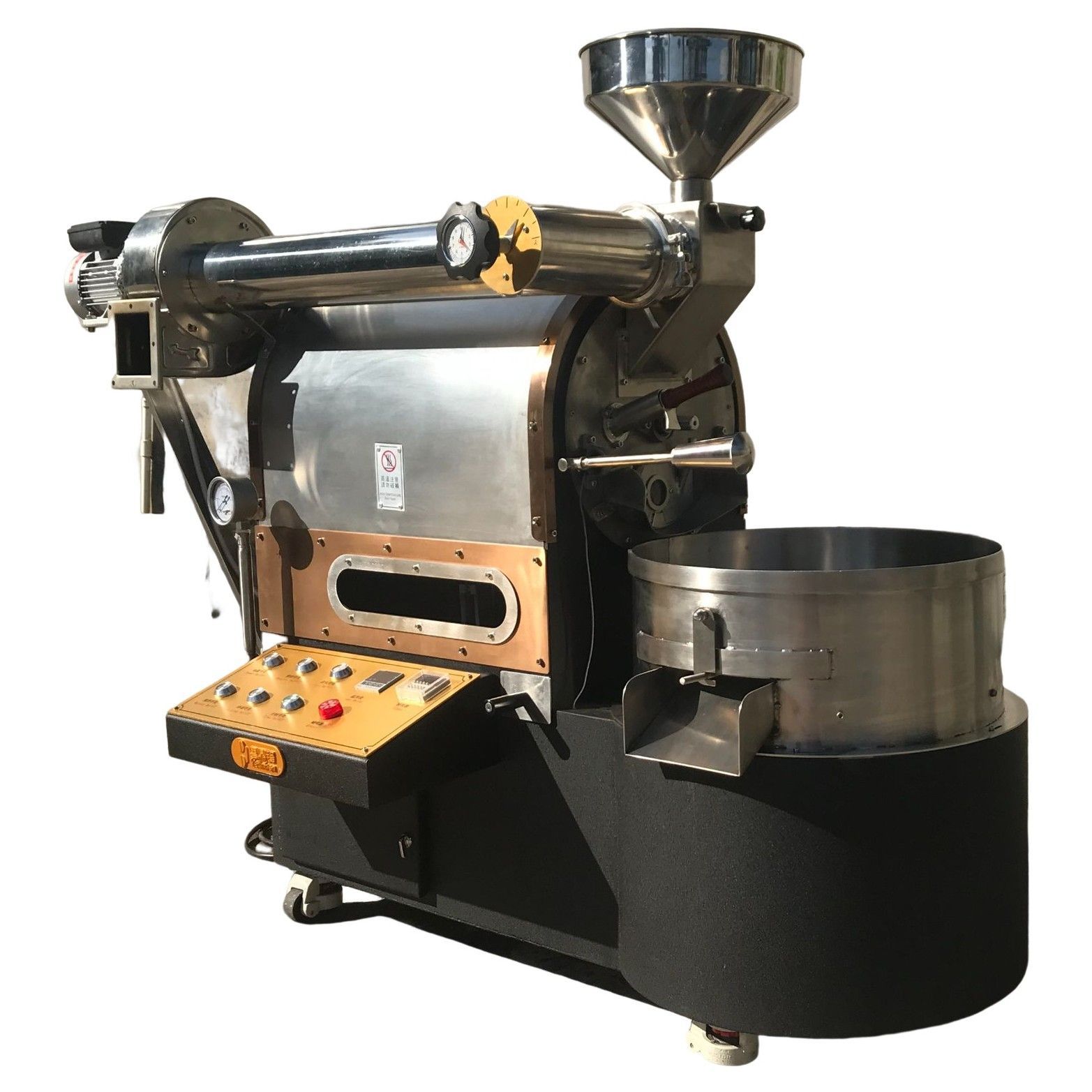
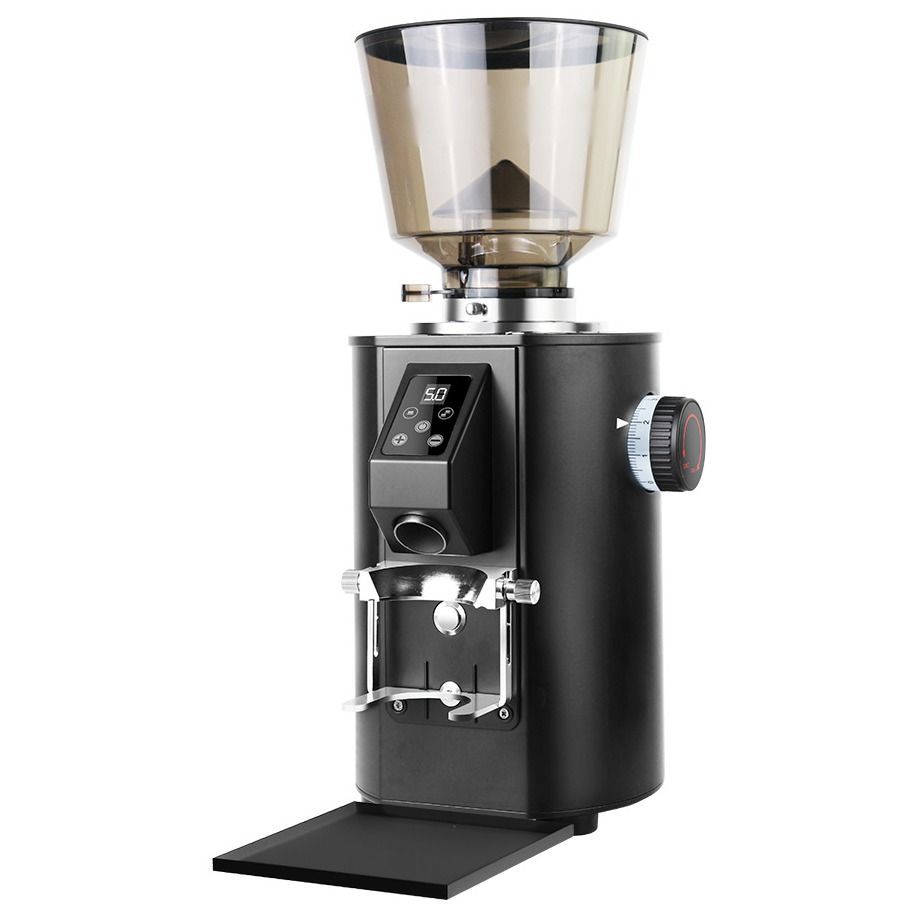
A sample roaster lets you develop roast profiles and QC green coffee before committing to production volume. The shop roaster handles daily batches; a professional burr grinder supports both QC lab and retail-bag prep; a heat sealer gets your first retail bags out the door.
Growing Roasting Capacity
Best for: Roastery outgrowing its first machine or adding wholesale.
Goal: Increase batch size and post-roast throughput.
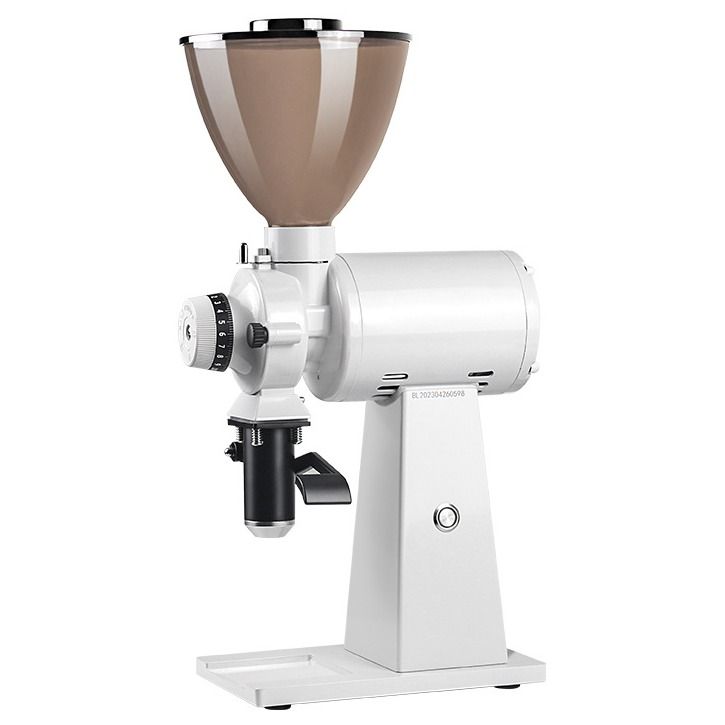
As batches stack up, the grinder becomes the bottleneck. A bulk grinder keeps pace with bigger roaster runs, and site-wide water filtration protects equipment and keeps cup quality consistent as you scale.
Adding Coffee Packaging
Best for: Selling roasted coffee and improving packaging consistency.
Goal: Move from hand-sealing to consistent, retail-ready packaging.
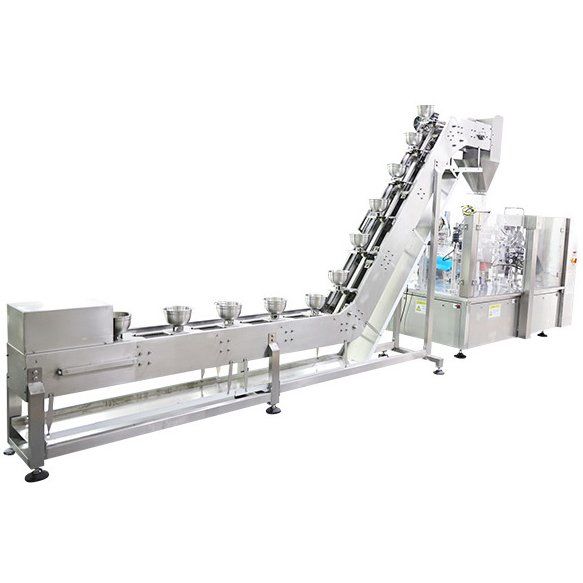
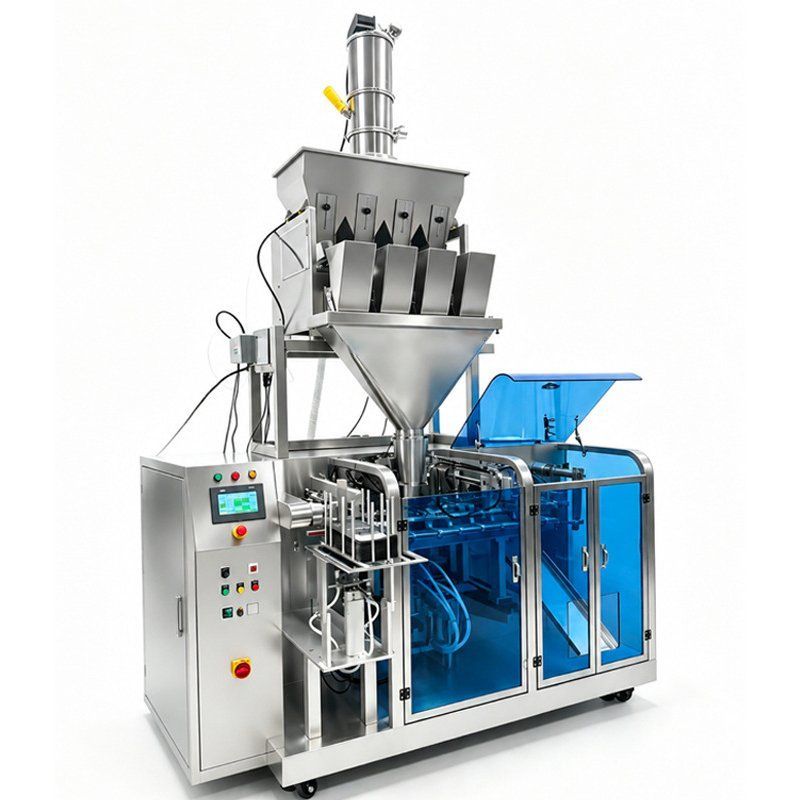
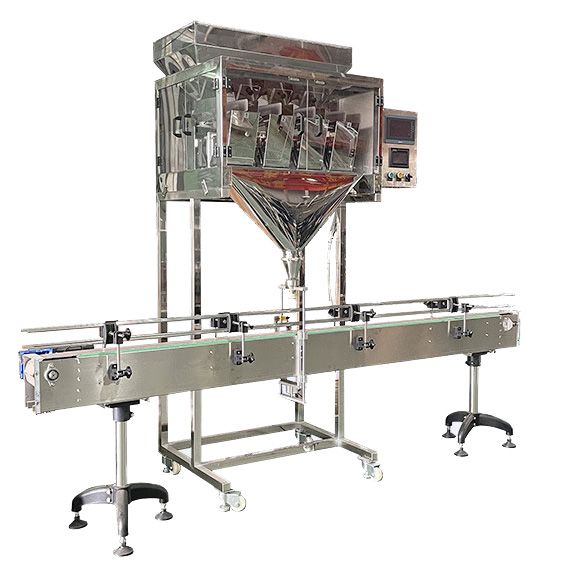
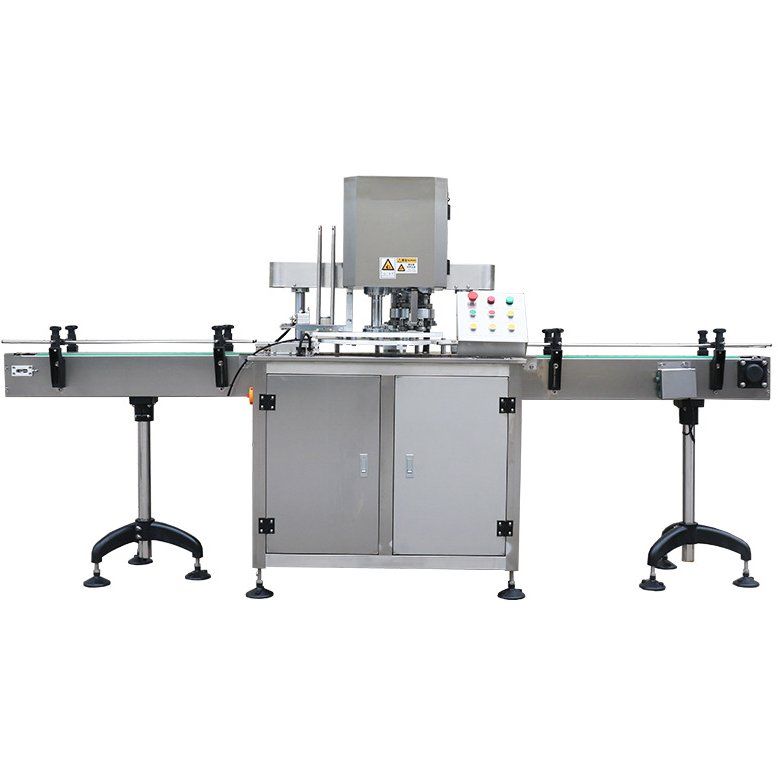
Start with a heat / impulse sealer for low-volume bagging, then step up to a form-fill-seal line as daily bag count grows.
Upgrading an Existing Workflow
Best for: Established roastery scaling to wholesale or refreshing equipment.
Goal: Production-scale roasting plus a matched spare-parts plan.
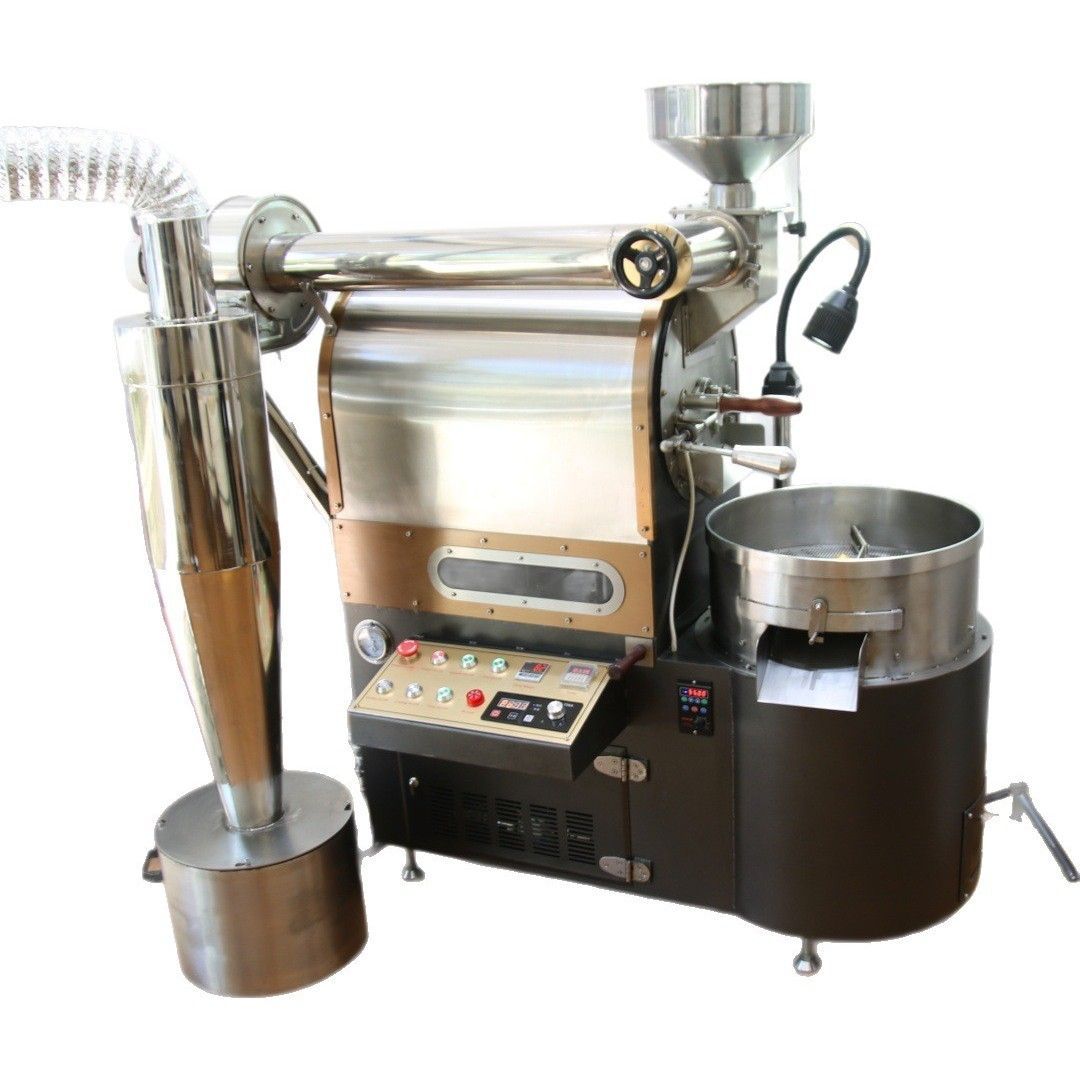
A production roaster with automated profiles delivers consistent high-volume output; pair it with a bulk grinder and a matched spare-parts plan so downtime stays low.